Common Objections
Common Objections
Common Objections

Catholics believe the pope can never be wrong
That would come as a surprise to the pope, especially if he reads Catholic social media. Some of us seem to think he can never be right.
The truth is that popes can make mistakes, exercise poor judgment, hold mistaken opinions, and even commit serious sins. History provides plenty of examples of popes who have done some or all of those things.
What Catholics believe is that, under certain very specific circumstances, the pope is prevented by the Holy Spirit from teaching error in matters of faith and morals. This is the doctrine of papal infallibility, and it’s a far more limited claim than many people suppose. It also doesn’t exist to protect the pope, but to protect the faith from the pope.
What does infallibility mean?
The Catholic Church teaches that the pope speaks infallibly when, exercising his authority as the supreme shepherd and teacher of all Christians, he definitively proclaims a doctrine concerning faith or morals to be held by the whole Church.
That’s how Christ protects His Church from error when its supreme teaching authority definitively teaches Christian doctrine.
That’s quite different from saying that everything the pope says is true.
His opinions about politics, economics, science, or international affairs aren’t infallible. Neither are his personal judgments, administrative decisions, or casual remarks. Even when he teaches on matters of faith and morals, that doesn’t mean he’s exercising his infallibility.
Infallibility doesn’t mean that the pope knows everything, that he’s incapable of making mistakes, or that he’s morally perfect.
Can Catholics disagree with the pope?
Certainly. Catholics can disagree with the pope’s personal opinions, criticize his decisions, and question his judgment. And as anyone familiar with Catholics knows, we’re not shy about doing just that.
Some of the Church’s greatest saints have done the same.
In the fourteenth century, St. Catherine of Siena repeatedly urged Pope Gregory XI to leave Avignon, France, and return to Rome. She challenged his judgment, admonished him to act courageously, and refused to remain silent simply because he was the pope.
Gregory eventually returned to Rome in 1377. And the Church didn’t condemn Catherine for criticizing him. It canonized her and eventually declared her a Doctor of the Church.
Of course, this doesn’t mean Catholics are free to disregard the pope’s religious teachings whenever he isn’t speaking infallibly. The Church teaches that even non-definitive authoritative teachings deserve religious respect and assent. But respecting the pope’s teaching authority doesn’t require believing that every decision he makes is wise or that every opinion he expresses is correct.
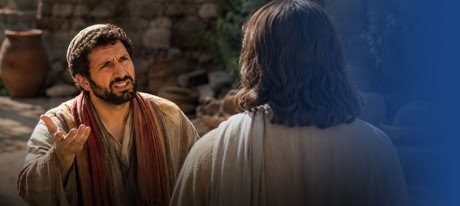
Even Peter made mistakes
The New Testament itself provides a striking example.
In Galatians 2:11–14, Paul describes publicly confronting Peter at Antioch because Peter’s conduct toward Gentile Christians was inconsistent with the Gospel.
Paul writes, “I opposed him to his face because he clearly was wrong” (Galatians 2:11).
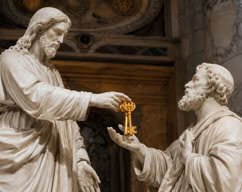
This is the same Peter to whom Jesus had entrusted the keys of the kingdom (Matthew 16:19) and whom He had instructed to strengthen his brethren (Luke 22:32).
Yet Paul didn’t hesitate to correct him.
Peter’s authority didn’t make his conduct beyond criticism. And Paul’s correction didn’t mean that Peter had no authority.
Catholics don’t believe the pope can never be wrong.
They believe that, under specific circumstances, the Holy Spirit prevents him from teaching error.
Those are two very different things.

Featured Articles
Copyright © 2024–[YEAR] Catholicoutlook.me