Salvation and Grace
Salvation and Grace
Salvation and Grace
Salvation and Grace
Salvation and Grace
Salvation and Grace

Salvation and Grace

Catholic Outlook

Catholic Outlook
Catholic Outlook
“God Will Take Away from Him His Share in the Tree of Life”
How Revelation 22:19 refutes “once saved, always saved”
In the final two chapters of the Bible, we are given a glimpse of our eternal destiny: the New Jerusalem, where God's people will live with him forever. Jesus himself says,
Blessed are those who wash their robes, that they may have the right to the tree of life and may go through the gates into the city. Outside are the dogs, those who practice magic arts, the sexually immoral, the murderers, the idolaters and everyone who loves and practices falsehood (Revelation 22:14–15).
Just a few verses later, we encounter this solemn warning:
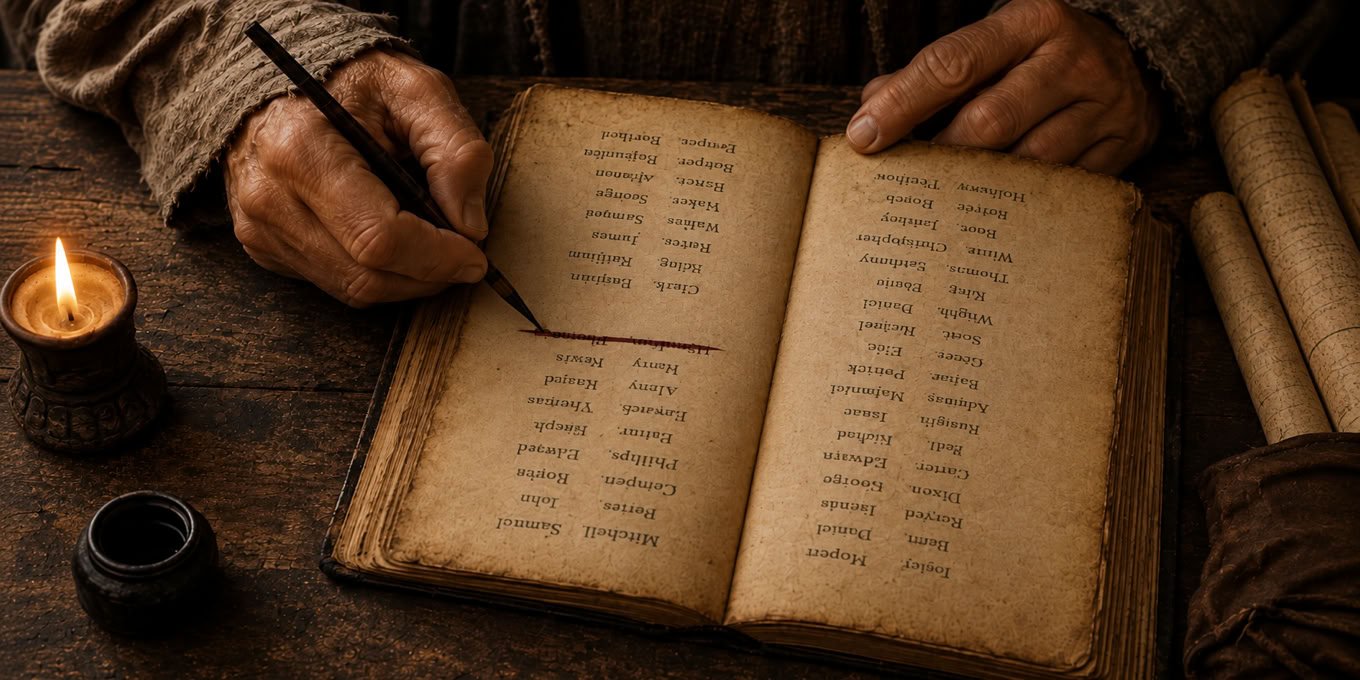
If anyone takes words away from this book of prophecy, God will take away from him his share in the tree of life and in the holy city (Revelation 22:19).
Notice what the warning says. It doesn't merely say that someone will be denied a share in the tree of life and the holy city. It says God will take away his share.
And that's a serious problem for the “once saved, always saved” doctrine. If someone has no share in the tree of life or the holy city to begin with, what is there for God to take away?
Nor can this be explained away as merely the loss of heavenly rewards. The warning isn't about losing a crown or receiving a lesser reward in heaven. It's about losing one's share in heaven itself.
Think about what that means. If you take words away from the book of Revelation, God will take away your share in the tree of life and the holy city. You will find yourself outside with the “dogs, those who practice magic arts, the sexually immoral, the murderers, the idolaters and everyone who loves and practices falsehood.”
Of course, someone who believes that salvation cannot be lost might argue that the person being warned was never genuinely saved in the first place. But that raises an obvious question: Why does Scripture describe the punishment as God taking away his share in eternal life, rather than simply denying him something he never had?
If you want a biblical warning that someone can forfeit his salvation, it's hard to imagine one much clearer than this.
Featured Articles
Copyright © 2024–[YEAR] Catholicoutlook.me